Mobile Banking Apps Review: Features, Benefits, and What to Look For
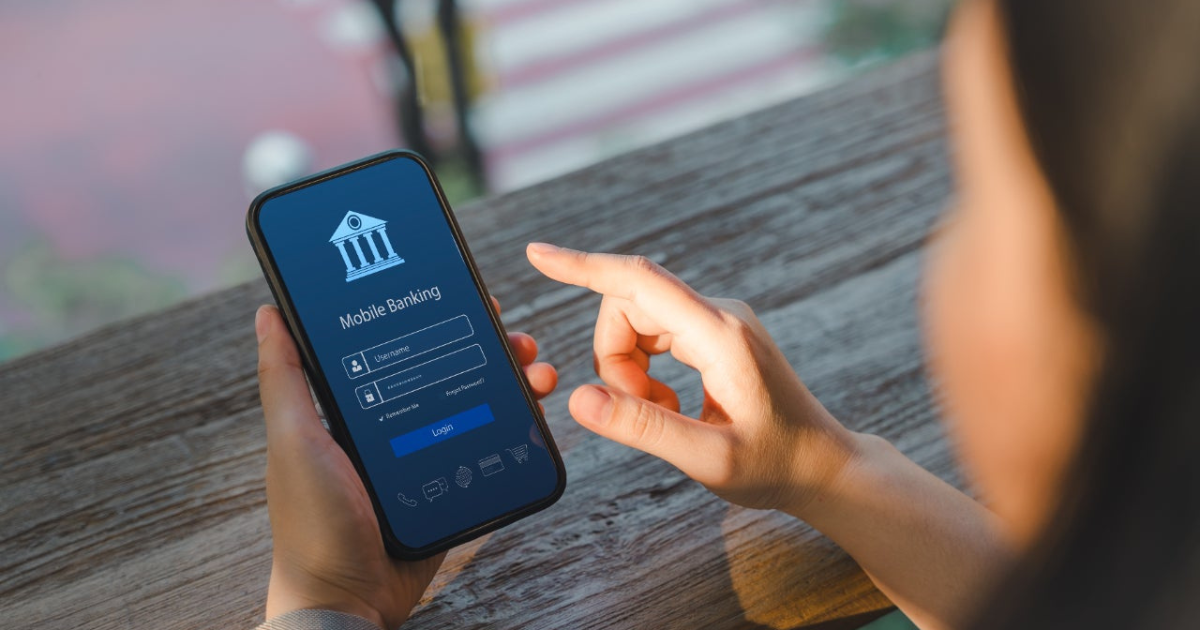
Mobile banking apps have changed the way people manage their money. In the past, customers had to visit bank branches to check account balances, transfer money, or pay bills. Today, most banking activities can be completed directly from a smartphone. Mobile banking apps make financial management faster, easier, and more convenient.
However, with so many banking apps available, choosing the right one can be challenging. In this article, we will explore the features, benefits, security, and important factors to consider when reviewing mobile banking apps.
What Are Mobile Banking Apps?
Mobile banking apps are applications provided by banks and financial institutions that allow customers to access banking services through smartphones or tablets. Users can log in securely to manage their accounts without visiting a physical branch.
These apps are available for Android and iOS devices. Most modern banking applications provide services such as checking balances, transferring money, paying bills, viewing transaction history, and managing debit or credit cards.
Important Features of Mobile Banking Apps
A good mobile banking app should offer useful features that make everyday financial activities simple.
1. Account Balance and Transaction History
One of the most important features is the ability to check account balances and view recent transactions. Customers can monitor their spending, identify unusual activities, and keep track of their income and expenses.
2. Money Transfers
Most mobile banking apps allow users to transfer money between their own accounts or send funds to other people. Some applications also support international transfers, depending on the bank and country.
3. Online Bill Payments
Mobile banking apps make it easier to pay electricity, water, internet, telephone, and other bills. Customers can complete payments without standing in queues or visiting payment centers.
4. Card Management
Many banking apps allow users to activate or deactivate debit and credit cards, change transaction limits, and temporarily block lost cards. These features provide additional convenience and control.
5. Notifications and Alerts
Real-time notifications inform customers about deposits, withdrawals, transfers, and other account activities. These alerts help users monitor their accounts and quickly identify suspicious transactions.
Benefits of Using Mobile Banking Apps
Mobile banking applications offer several advantages for modern customers.
- Convenience: Banking services are available from almost anywhere with an internet connection.
- Time-saving: Users can complete transactions without visiting bank branches.
- 24/7 access: Many services are available throughout the day, including weekends and holidays.
- Better money management: Transaction histories and account summaries help customers understand their spending habits.
- Easy payments: Customers can pay bills and transfer money within minutes.
These benefits make mobile banking a useful solution for students, employees, business owners, and families.
Popular Mobile Banking Apps
Different banking applications offer different features depending on the financial institution and country.
In Pakistan, customers can explore applications such as HBL Mobile, Meezan Mobile Banking, UBL Digital, and Bank Alfalah’s Alfa app. These platforms provide various digital banking services, including account management, transfers, and bill payments.
Internationally, applications such as Chase Mobile, Bank of America Mobile Banking, and Revolut are popular examples of digital banking platforms. Availability and services depend on the user’s location and eligibility.
Security and Privacy Considerations
Security is one of the most important factors when choosing a mobile banking app. A reliable application should use encryption, secure login methods, and additional authentication measures.
Users should also follow basic security practices:
- Use strong and unique passwords.
- Enable biometric authentication when available.
- Avoid accessing banking accounts through public Wi-Fi.
- Never share PINs, passwords, or verification codes.
- Download banking apps only from official app stores.
- Keep the application and smartphone operating system updated.
These practices can help protect personal and financial information.
How to Choose the Best Mobile Banking App
Before selecting a banking app, consider its user-friendly design, available services, transaction limits, transfer charges, customer support, and security features. Reading customer reviews can also provide useful information about app performance and reliability.
A good mobile banking app should be easy to navigate, work smoothly, and provide dependable customer support when problems occur.
Conclusion
Mobile banking apps have made managing money easier, faster, and more accessible. From checking balances to paying bills and transferring funds, these applications offer valuable financial services directly through smartphones. However, users should carefully compare features, fees, security, and customer reviews before choosing an app. By selecting a reliable mobile banking platform and following safe online practices, customers can enjoy a convenient and secure banking experience.