Fixed vs Variable Interest Rates: Which Option Is Better?
When borrowing money or choosing a financial product, one important decision is whether to select a fixed or variable interest rate. Both options have advantages and disadvantages, and the right choice depends on your financial situation, budget, and comfort with risk.
Understanding how these interest rates work can help you make smarter financial decisions and avoid unexpected costs.
What Is a Fixed Interest Rate?
A fixed interest rate stays the same for an agreed period or throughout the entire loan term, depending on the lender’s conditions. This means your interest rate does not change when market interest rates rise or fall.
For example, if you borrow money at a fixed annual interest rate of 8%, that rate generally remains unchanged during the agreed fixed-rate period.
Benefits of fixed interest rates:
- Predictable payments: You can plan your monthly budget more easily.
- Protection from rising rates: Your interest rate will not increase during the fixed period.
- Financial stability: You know what interest rate to expect.
- Easier planning: Fixed payments can make long-term financial planning simpler.
Disadvantages of fixed interest rates:
- You may pay more than borrowers with variable rates if market rates decrease.
- Fixed-rate products may initially have higher rates.
- Some lenders charge fees or penalties for early repayment or refinancing.
What Is a Variable Interest Rate?
A variable interest rate can increase or decrease over time. It is usually linked to a benchmark rate or another reference rate, with the lender adding a margin according to the agreement.
For example, if your starting interest rate is 7%, it could increase to 8% or decrease to 6% as the reference rate changes.
Benefits of variable interest rates:
- Potential savings: Your borrowing costs may decrease when reference rates fall.
- Competitive starting rates: Some variable-rate products begin with lower rates than fixed-rate alternatives.
- Possible flexibility: Certain products may offer attractive repayment or refinancing options.
Disadvantages of variable interest rates:
- Unpredictable payments: Your monthly repayments may increase.
- Budgeting challenges: Changes in interest rates can make financial planning harder.
- Higher borrowing costs: Rising market rates may significantly increase the total amount you repay.
Fixed vs Variable Interest Rates: Key Differences
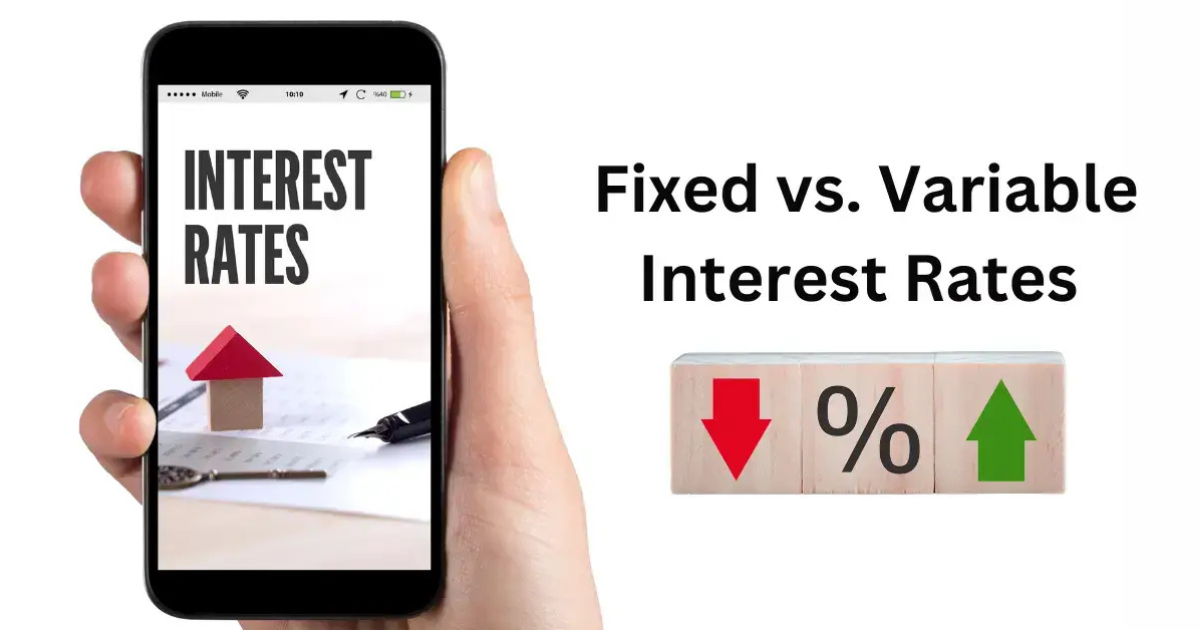
The main difference is stability. Fixed interest rates offer predictable costs, while variable rates change according to market conditions and the terms of your agreement.
With a fixed rate, you know what interest rate applies during the fixed period. With a variable rate, you accept the possibility of changes in exchange for the potential benefit of lower rates.
Neither option is automatically better. Your decision should depend on your income stability, financial goals, loan duration, and ability to manage changing payments.
How to Choose the Right Interest Rate
Consider these factors before making a decision:
1. Review Your Monthly Budget
If your income is limited or your expenses are already high, a fixed interest rate may help you maintain predictable payments.
2. Consider Your Risk Tolerance
If unexpected payment increases would create financial difficulties, fixed rates may be more suitable. If you can comfortably manage fluctuations, a variable rate may be worth considering.
3. Think About Your Loan Duration
For long-term borrowing, even small interest rate changes can affect the total repayment amount. Compare the available options carefully.
4. Compare the Total Cost
Do not focus only on the starting interest rate. Review fees, repayment terms, rate adjustment rules, and the total amount payable.
5. Understand the Agreement
Check how often a variable rate can change, whether a fixed rate expires, and what happens when the fixed period ends.
Conclusion
Fixed and variable interest rates serve different financial needs. Fixed rates provide stability and predictable payments, while variable rates offer the possibility of savings when market rates decline but carry the risk of higher costs.
Before choosing, compare the terms, calculate potential repayments, and consider your financial goals. The best option is the one that fits your budget and allows you to manage your borrowing comfortably. Remember that interest rate structures and lending rules vary by country, lender, and financial product.