How Interest Rates Work: A Complete Guide for Beginners
Interest rates play an important role in personal finance and the economy. Whether you are saving money in a bank account, applying for a personal loan, using a credit card, or buying a house, interest rates affect how much money you earn or pay.
Understanding interest rates can help you make better financial decisions, manage debt, and grow your savings. However, many beginners find the concept confusing.
In this article, we will explain how interest rates work, the different types of interest rates, and how they affect your financial life.
1. What Are Interest Rates?
An interest rate is the percentage charged by a lender for borrowing money or paid by a financial institution for depositing savings.
For example, if you borrow $1,000 at an annual interest rate of 5%, you will generally pay $50 in interest over one year if the balance remains unchanged and simple interest applies.
Similarly, if you deposit $1,000 into a savings account that pays 5% annual interest, you could earn $50 over one year under simple-interest assumptions.
In simple terms, interest is the cost of borrowing money or the reward for saving money.
2. How Do Interest Rates Work?
Interest rates determine how much extra money you pay when borrowing or earn when saving.
When you take out a loan, the lender charges interest as compensation for providing money. The amount depends on the loan balance, interest rate, repayment period, and loan terms.
When you save money in an interest-bearing account, the bank may pay you interest based on your deposit balance and account conditions.
For example:
- Loan amount: $5,000
- Annual interest rate: 10%
- Simple interest for one year: $500
This means you would owe $500 in interest for one year if the full balance remained outstanding under these assumptions.
3. Different Types of Interest Rates
Understanding the different types of interest rates can help you choose better financial products.
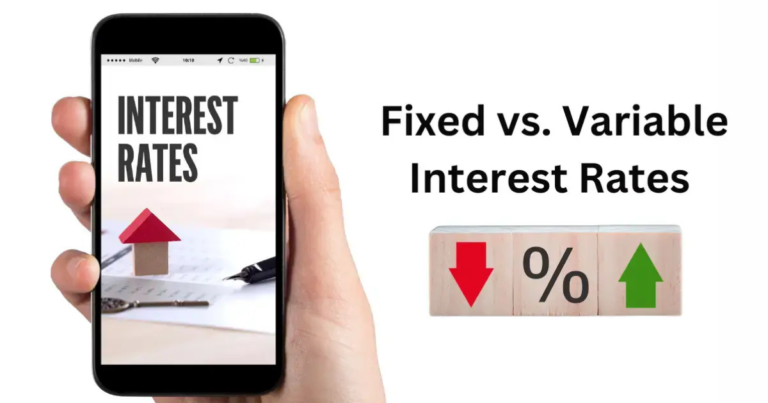
Fixed Interest Rate: A fixed interest rate remains unchanged for a specified period or the entire loan term, depending on the agreement. It makes monthly payments more predictable.
Variable Interest Rate: A variable interest rate can increase or decrease according to market conditions or a reference rate. Your borrowing costs may change over time.
Simple Interest: Simple interest is calculated using the original principal amount. It is commonly used in basic financial examples.
Compound Interest: Compound interest is calculated on the original amount and previously accumulated interest. This allows savings or investments to grow over time, although actual returns depend on the product.
4. What Is the Difference Between Simple and Compound Interest?
Simple and compound interest are two important concepts in personal finance.
With simple interest, you earn or pay interest only on the original principal amount.
With compound interest, interest is added to the balance, and future interest is calculated on the increased amount.
For example, if you deposit $1,000 at an annual compound interest rate of 5%, compounded once per year:
- After one year: $1,050
- After two years: $1,102.50
- After three years: $1,157.63
This example shows how compound interest can help savings grow over time.
5. Why Do Interest Rates Change?
Interest rates can change because of several economic factors.
Inflation: Central banks may increase interest rates to control rising prices and reduce inflationary pressure.
Economic Growth: Interest rate decisions can influence borrowing, business investment, and consumer spending.
Central Bank Policies: Central banks adjust policy rates to support economic stability and manage inflation.
Market Conditions: Demand for loans, availability of money, and financial market conditions can also influence interest rates.
6. How Do Interest Rates Affect Loans?
Interest rates directly affect the total cost of borrowing money.
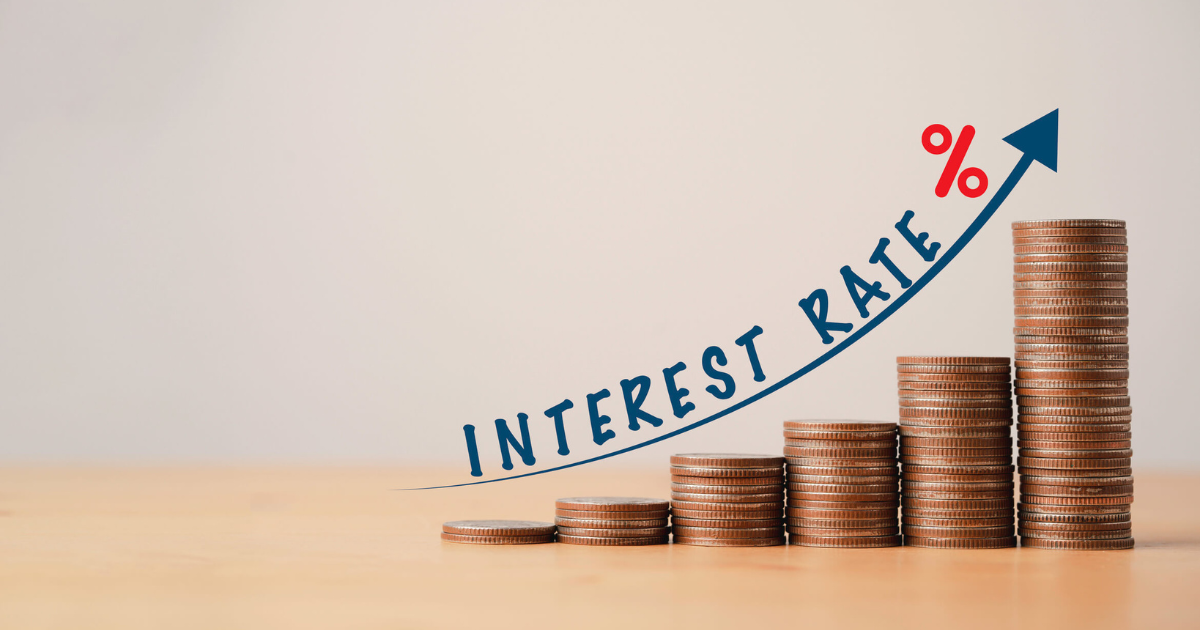
When interest rates increase, new loans may become more expensive, depending on the lender and loan type. Higher borrowing costs can increase monthly payments or total repayment amounts.
When interest rates decrease, borrowing may become more affordable.
Before applying for a loan, compare interest rates, repayment periods, processing fees, and other charges.
7. How Do Interest Rates Affect Savings?
Interest rates also influence how much money you can earn from savings accounts and fixed deposits.
Higher savings rates may help your money grow faster, while lower rates generally produce smaller returns.
However, always consider inflation. If inflation is higher than the interest you earn, your savings may lose purchasing power over time.
Compare different savings options and understand their conditions before depositing your money.
8. Tips for Managing Interest Rates Wisely
Here are some practical tips to manage interest rates effectively:
- Compare loan interest rates before borrowing.
- Read financial agreements carefully.
- Pay credit card balances on time.
- Avoid unnecessary high-interest debt.
- Look for competitive savings account rates.
- Understand whether your loan has a fixed or variable rate.
- Consider the total repayment cost, not just the monthly payment.
These habits can help you make smarter financial decisions and protect your financial future.
Conclusion
Interest rates are an important part of everyday financial life. They influence how much you pay when borrowing money and how much you earn when saving.
By understanding fixed rates, variable rates, simple interest, and compound interest, you can make better decisions about loans, savings, and investments.
Remember, always compare financial products, understand their terms, and consider the long-term impact of interest rates before making financial commitments. A better understanding of interest rates can help you build a stronger financial future.